Explainer
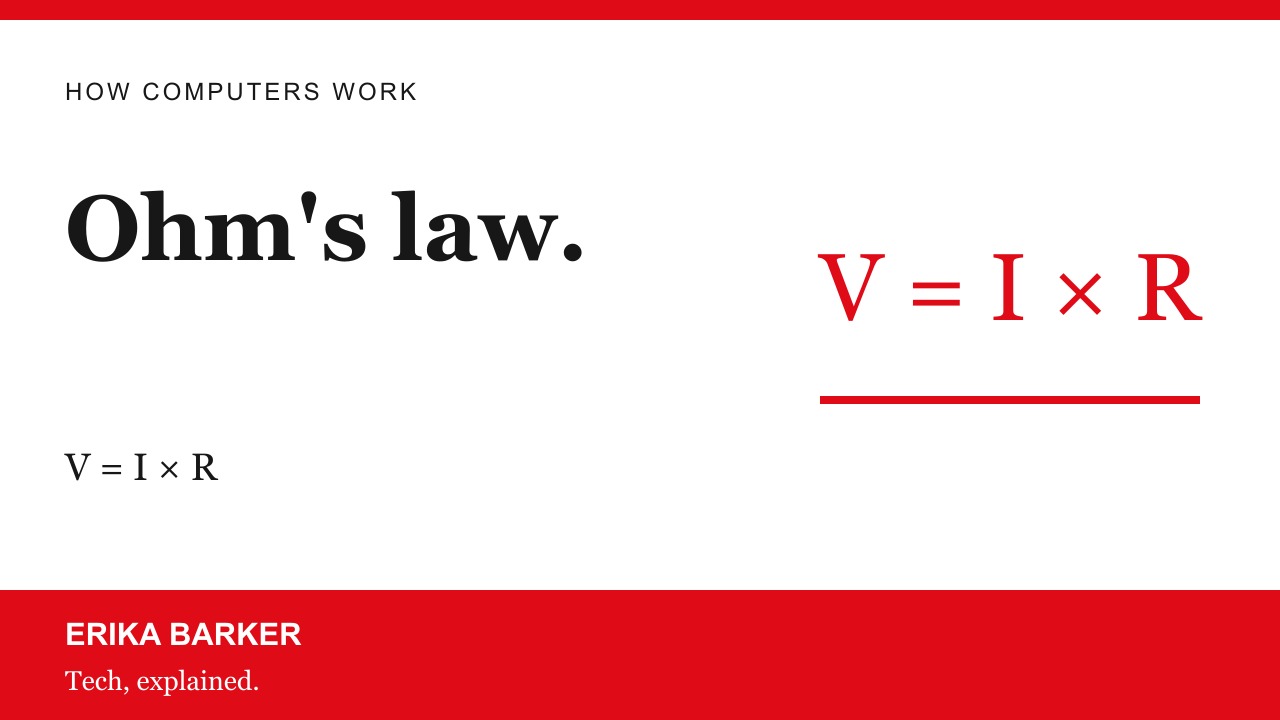
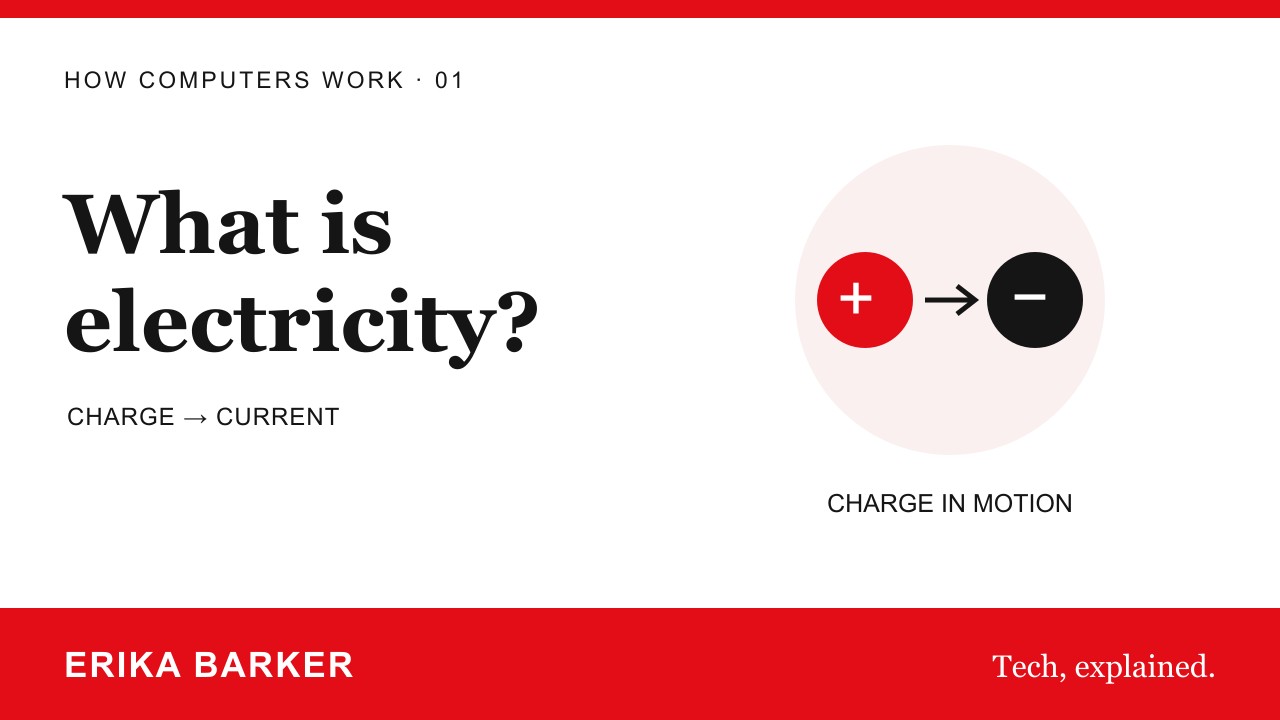
Voltage and current describe different parts of an electrical circuit. Voltage tells us how much energy is available per unit charge, while current tells us how much charge passes a point each second. Thinking about water pressure and flow gives us a starting point for understanding how a circuit supplies power.
The key ideas
- Voltage is measured in volts.
- Current is measured in amperes.
- One ampere is one coulomb of charge per second.
Explore the subject
Original recording: TikTok, 2023-02-16.
Video transcript
Read the original recording’s transcript
Automatically transcribed from the original recording. Small transcription errors may remain.
When it comes to understanding the inner workings of electricity, there are two terms that you need to know, and those are volts and amps. Now, these two electrical warriors might seem similar, but they're actually quite different. And understanding the difference between them is key to understanding the power that flows through our homes and businesses. So think of volts as the pressure behind a water hose. If you've ever turned on a garden hose and felt the water blasting out, you know that the pressure behind the water is what makes it come out fast and strong.
Similarly, voltage is the pressure behind electrical energy. It's what pushes the electricity through the wires and into your devices. Now imagine that hose as a pipe that carries water to a fire. The water has to flow at a certain rate in order to effectively put out the fire. That rate of flow is measured in gallons per minute, and in electrical terms, it's measured in amps. So amperage is the flow rate of electrical energy, or the amount of electricity that flows through the wire each second. So to put it in simple terms, voltage is like the power behind a punch,
An amperage is like the speed of that punch. Together they determine how much energy is delivered to a device. But why is this distinction important? Well, different devices require different amounts of voltage and amperage to work properly. For example, a light bulb might require 120 volts of pressure to turn on, but only 0.5 amps of flow rate to shine brightly. Now, on the other hand, a power tool might require 120 volts of pressure and 15 amps of flow rate to function properly. Now, understanding the difference between volts and amps helps us ensure that the right
amount of energy is delivered to each device so that everything runs smoothly. So the next time you're dealing with electrical energy, remember the difference between volts and amps. They might seem like two peas in a pod, but they're actually two distinct warriors that work together to bring power to our lives. Wow.